ETH Zurich 3D Prints Biocement Structures with Bacteria-Bound Sand
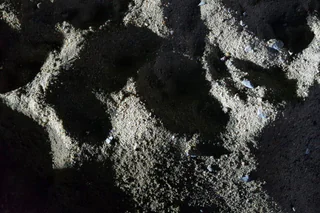
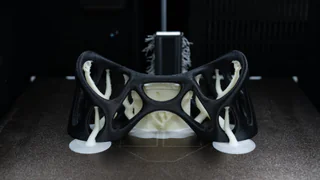
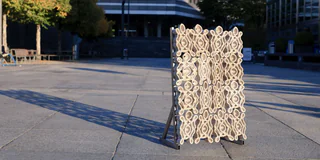
ETH Zurich researchers developed an architectural biocement process that prints a bacteria-bearing hydrogel and solidifies sand through calcium carbonate precipitation.
3DPrint.com
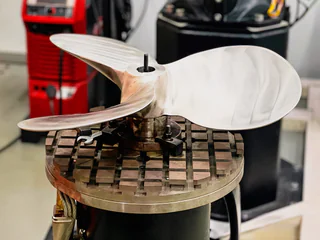
Dubai-based JOME Engineering recreated a marine propeller with no available CAD data by scanning the part and depositing an SS316L replacement on Caracol's robotic WAAM system.
UC Berkeley, working with Prusa Research and Formlabs, has released OpenCAL, an open volumetric printer built largely from off-the-shelf parts with public hardware, control code, print software, and resin documentation.
In an interview with 3D Printing Industry, Prusa Research founder Josef Průša discussed the expanding production role of affordable printers, competitive conditions, IP, security and procurement.
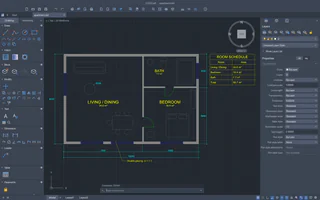
SolidCraft and CADCraft are open-source Rust applications focused on parametric 3D CAD and 2D drafting respectively, with MCP interfaces for AI-agent operation.
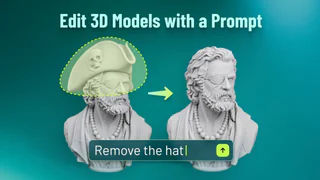
Meshy has launched Meshy Edit, which uses text or reference images to change a selected region of an AI-generated 3D model.
Polymaker has introduced CymphoniK, a color-mixing system for pellet-extrusion LFAM that combines six base pellets with recipe software.
A manufacturer report covers MIT-linked research applications and a public demonstration of the forthcoming multi-laser X1.
Industrial revenue rose 40% year on year; entry-level revenue grew 36%.
The metal powder producer priced its Nasdaq offering, with estimated net proceeds of $15.7 million. Further capital requirements remain a concern for 2027.
Two breakaway support products target different groups of engineering polymers. Printer and nozzle requirements, including purge towers, need checking before use.
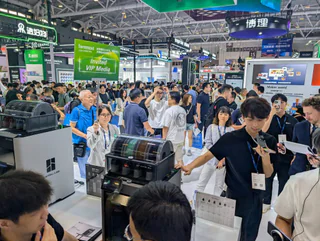
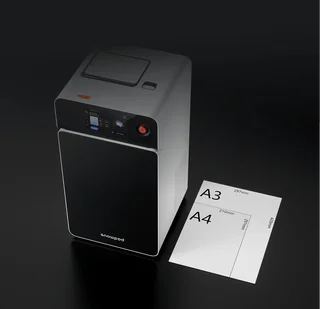
SnowX showed its compact metal printer at TCT Shenzhen, with enclosed powder circulation and a transfer box for part removal.
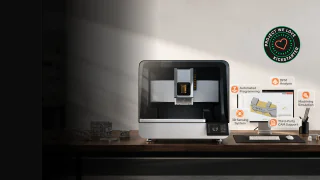
Nanjixiong covers the desktop CNC campaign, featuring a 1,500 W spindle and automated CAM. Delivery is planned for March 2027.
A new U1 accessory uses licensed E3D extrusion technology to increase melt throughput. Reported performance gains come from manufacturer testing.
USD BRep exposes solid-modeling operations through C++ and Python, with OpenUSD integration. The release may support new automated and AI-assisted CAD workflows.
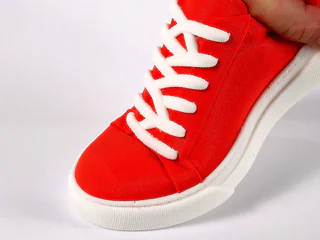
Lanxiaodu tested 2.85 mm foaming TPU on the FLEX4, combining printer and material support with my3dshoe models and profiles.
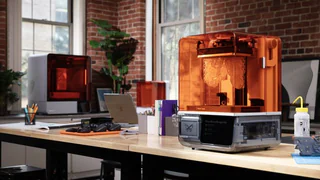
The new LCD resin printer launches alongside materials and post-processing accessories, extending Formlabs automation into a lower price bracket. The quoted price is US pricing.
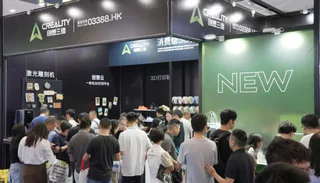
Creality presented two approaches to multicolor printing alongside recycling equipment, scanners and AI creation tools.
3D Science Valley examines how titanium temples help ENGO free up its weight budget for electronic components.
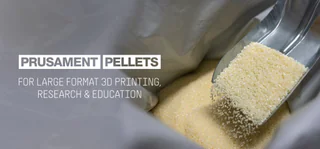
Smaller pellet batches give workshops and laboratories access to raw polymers without industrial bulk orders. Packs up to 14 kg are supplied pre-dried.
The first funding round highlights community work on nozzle-aware slicing, expanded firmware and third-party filament feeders. Twenty projects are under final review for awards.
The manufacturer reports product awards connected with family and educational use, including NAPPA recognition for the P2S and comments from parent evaluators.
A Japanese report covers the S1 teaser and Bambu’s agreement with SCANTECH. Core specifications and Japanese availability remain unannounced, and the product’s precise link to that agreement is unconfirmed.
The enclosed resin system automates transfers between printing, washing and drying within one machine.