U.S. Army Flight-Tests VICTOR With 3D-Printed Heavy-Fuel Rotary Engine
The U.S. Army Research Laboratory has flight-demonstrated the VICTOR UAS using an air-cooled heavy-fuel rotary engine developed with metal additive manufacturing and paired with a 400 V motor-generator.
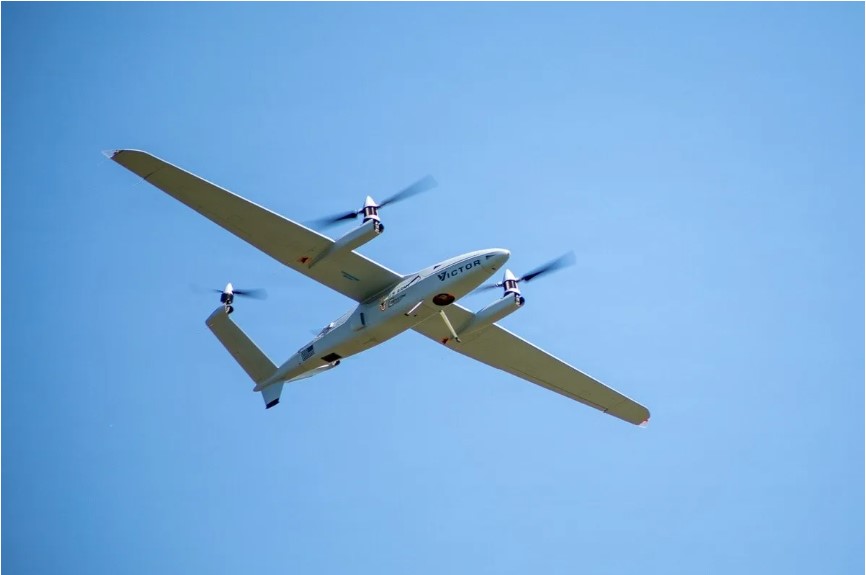
The U.S. Army Combat Capabilities Development Command’s Army Research Laboratory completed a flight demonstration of the medium-size VICTOR UAS near Huntsville, Alabama, powered by a 3D-printed heavy-fuel rotary engine. Nanjixiong reported the test from the Army’s announcement.
The team used CFD, a clean-sheet design and metal additive manufacturing to iterate engine parts intended to improve fuel atomization and vaporization while reducing leakage. The resulting air-cooled engine was paired with a 400 V motor-generator in a series-hybrid system, with Griffon Aerospace among the integration partners.
This was a research flight demonstration. The Army did not publish range, endurance, output or a production schedule. Longer flight, higher-altitude operation and reduced logistics are program objectives, not verified performance results from this test.
Key facts
- Flight demonstrated near Huntsville, Alabama
- Metal additive manufacturing used for heavy-fuel rotary-engine components
- Air-cooled engine paired with a 400 V motor-generator in a series hybrid
- No performance figures or production timing disclosed
Context
It shows metal AM being used for rapid redesign of a compact aviation engine, but lacks the performance data needed to assess operational deployment.