Mexican Student Team Develops Recycled-PET Filament for Touchscreen-Compatible Prosthetic Hands
A University of Guadalajara student team has prototyped Filna, a recycled-PET filament containing nanomaterials that lets 3D-printed prosthetic hands interact with capacitive touchscreens.
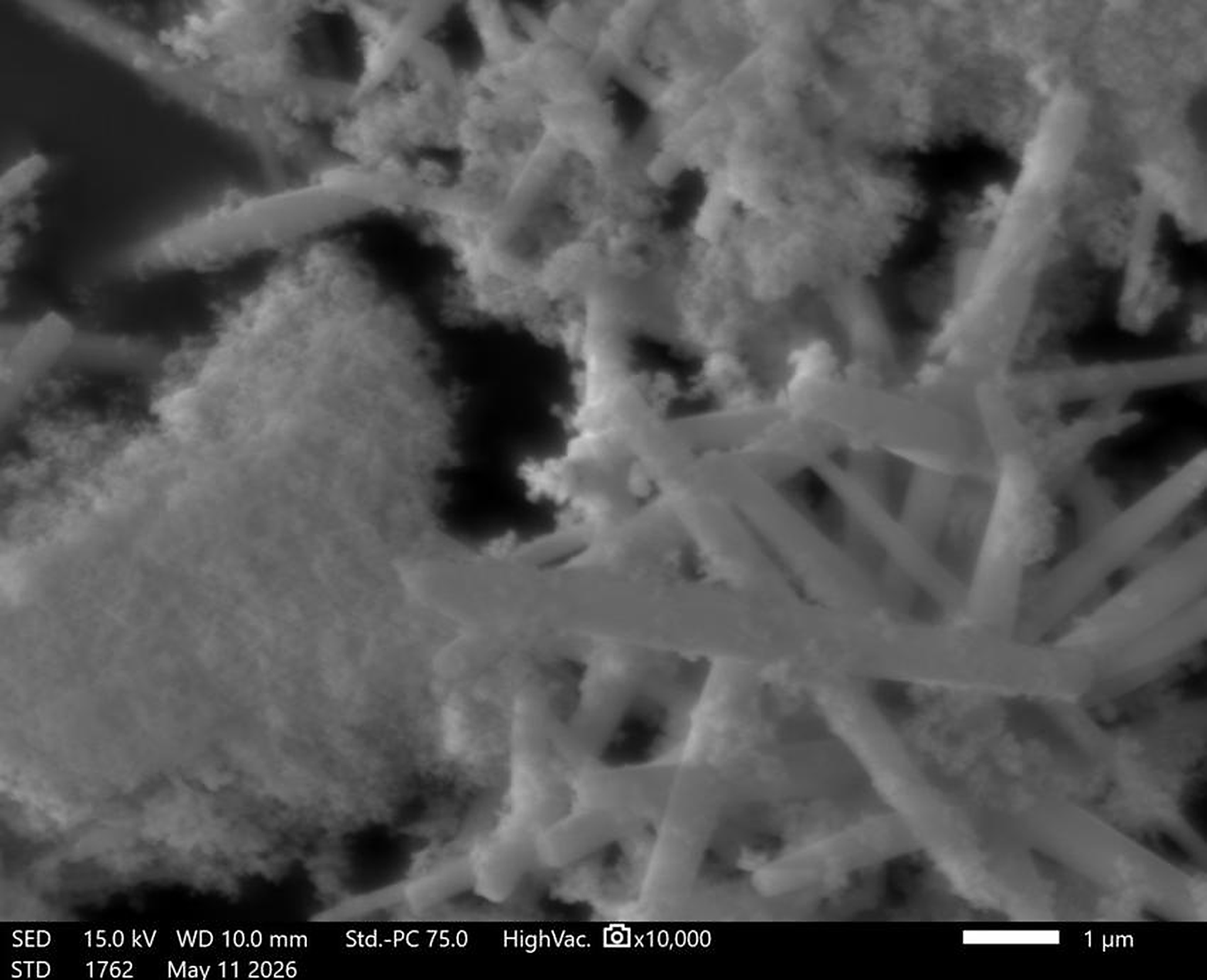
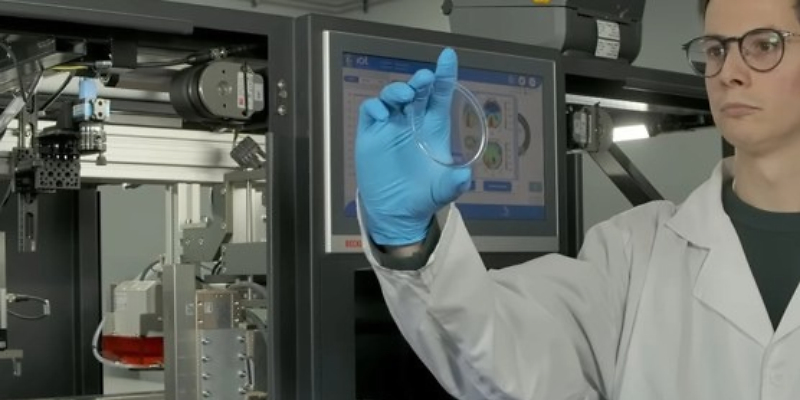
3D Printing Industry reports that students from the University of Guadalajara’s CUGuadalajara and CUTonalá campuses have developed Filna, a functional filament made from recycled plastic and nanomaterials. A university account describes the feedstock as recycled PET reinforced with graphene and carbon fiber.
The team shreds and heats waste plastic before blending in additives to produce printable material. Prosthetic hands made with the filament are intended to operate touchscreens on phones and tablets, and the project won the Next Gen category at Enactus Mexico in August 2026.
This remains a student prototype. Electrical resistance, mechanical strength, durability, skin-contact safety and prosthesis cost have not been published. Planned fluorescent and biodegradable properties are still under development, and the work does not represent clinical validation or medical-device approval.
Key facts
- Recycled PET reinforced with graphene and carbon fiber
- Team says printed prosthetic hands can operate touchscreens
- Won the Next Gen category at Enactus Mexico 2026
- Electrical and mechanical data and medical approval are undisclosed
Context
Adding electrical functionality to recycled feedstock could broaden the usability of lower-cost prostheses, but commercialization will require quantified material performance and biocompatibility testing.